RAM Racing: Legacy Program
A service design studio for a Chicago race organizer that wanted runners to come back. We did field research at packet pickup and on the course. We proposed a repeat-runner program and a race timeline.
Studio project. Not a shipped commercial product.
- Contribution
- Research, ideation, UX design
- Type
- Service design, UX design
- Tools
- Illustrator, Principle, InDesign
- Client
- RAM Racing, organizer of the Hot Chocolate and Mag Mile races in Chicago
- Team
- Jeshwanth, Prapthi, Adithya, Diane
Context and brief
RAM Racing had two problems.
- Runners didn't come back. Many ran a race once for the experience and skipped it the next year.
- Data went unused. RAM collected a lot about its runners but had no way to use it.
Field research
Shadowing
We ran RAM races ourselves.
Observation
We worked the stands as volunteers.
Intercepts
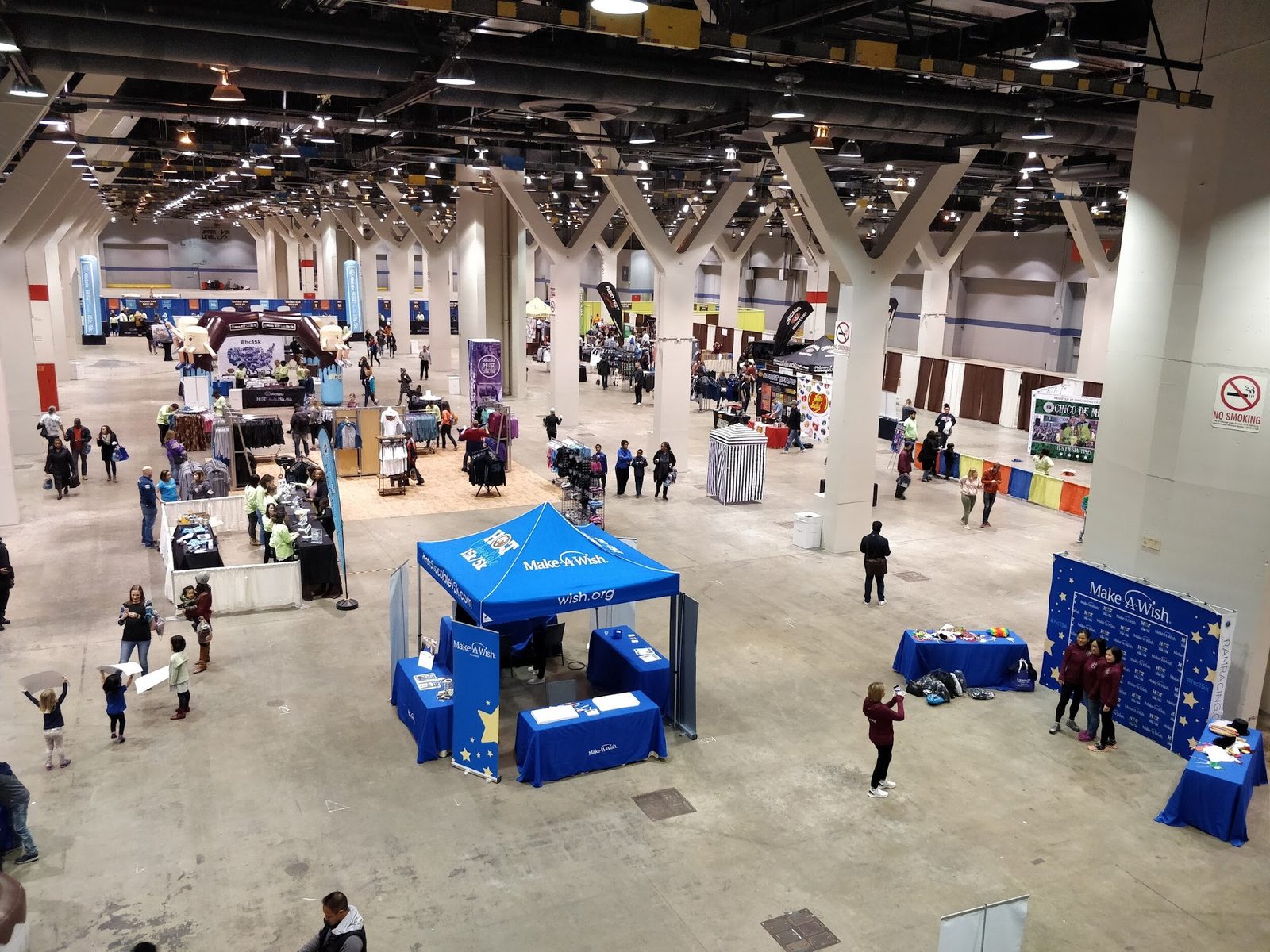
We ran a booth at packet pickup. Runners sorted cards to show what a loyalty program should include.
What runners told us
Anticipation
“I feel anticipation at the start of each race, which builds up into excitement.”
A distinct race
“RAM is really good at setting up a noticeably different race experience.”
Reward
“I love to be rewarded for whatever I have achieved.”
Motivation
“I am always looking for ways to be motivated to run more often.”
Pain points
We mapped the service from sign-up to after the race. Three problems kept coming up.
Separate platforms
Each race had its own platform, and one race could have several sources of information. Nothing tied them together.
Few in-race cues
Mile markers and one race clock. Without their own device, runners couldn't track their race.
No reward for loyalty
A five-time RAM runner got the same experience as a first-timer.
Problem statement
Build a relationship that brings runners back to RAM. Use the race data RAM already has to make each return feel personal.
The Legacy Program
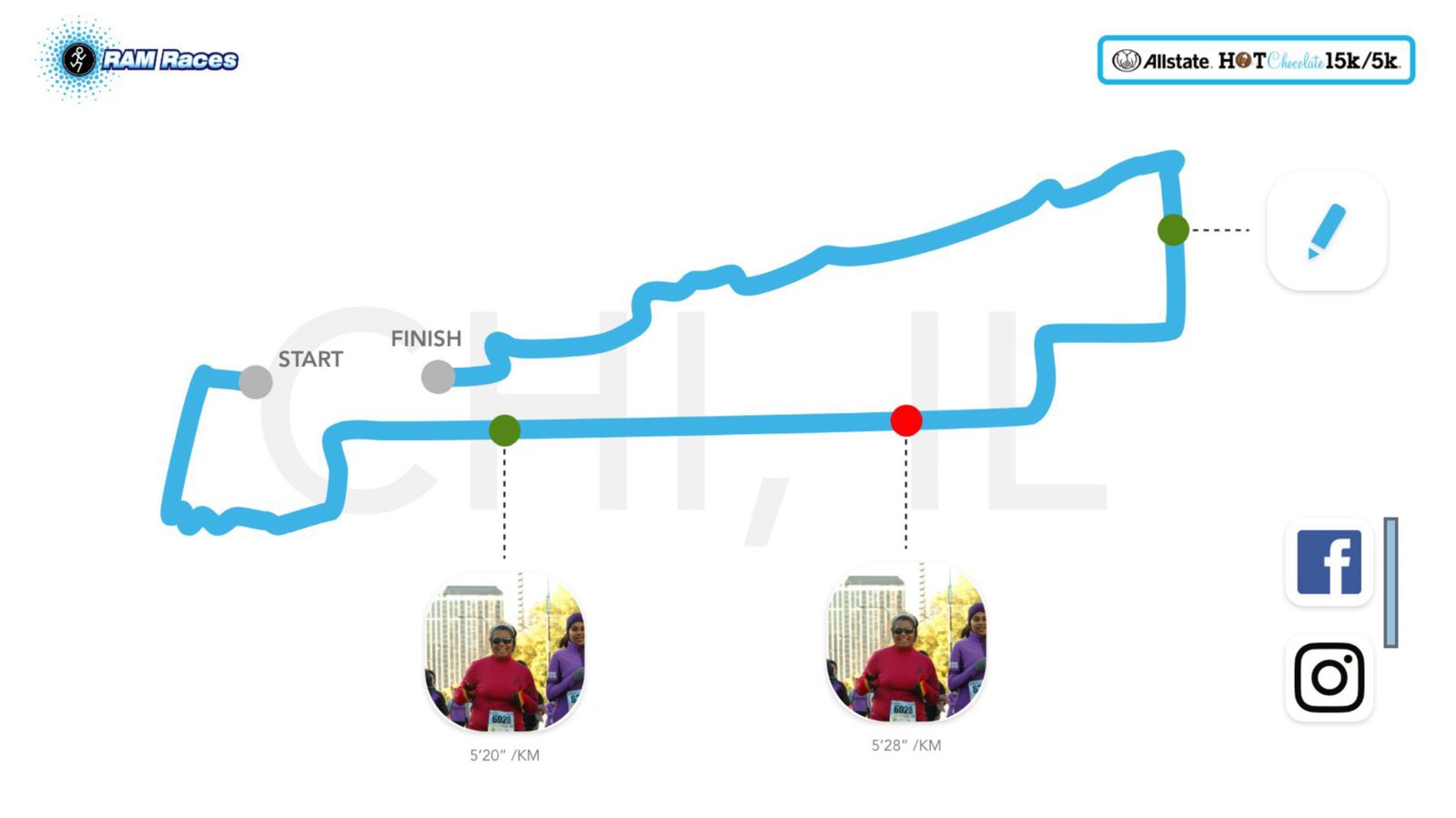
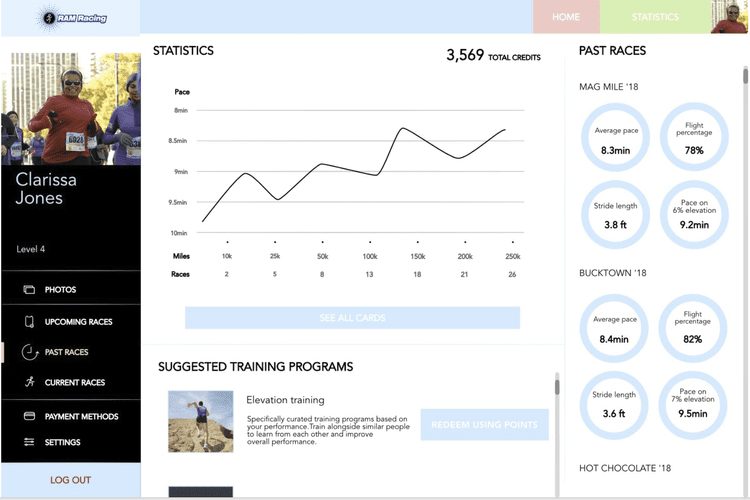
The RAM Legacy Program connects RAM’s races into one system. Repeat runners earn perks, both physical and digital, as they run more races. Their own race data shapes what they see next. The goal was public recognition, a personal sense of progress, and an identity built around running with RAM.
One touchpoint: the race timeline
“It was great. I want this thing to exist now.”
Proposed next steps: prototype the service at a live race, and explore connecting training apps to RAM.
What I take from it now
Bringing people back takes identity, recognition, and data working together. A poster won't do it.
Talking to runners at pickup beats a scheduled interview weeks later.
A timeline is only useful if it's shareable and specific to that race.